When Gaming Starts Taking Over Real Life
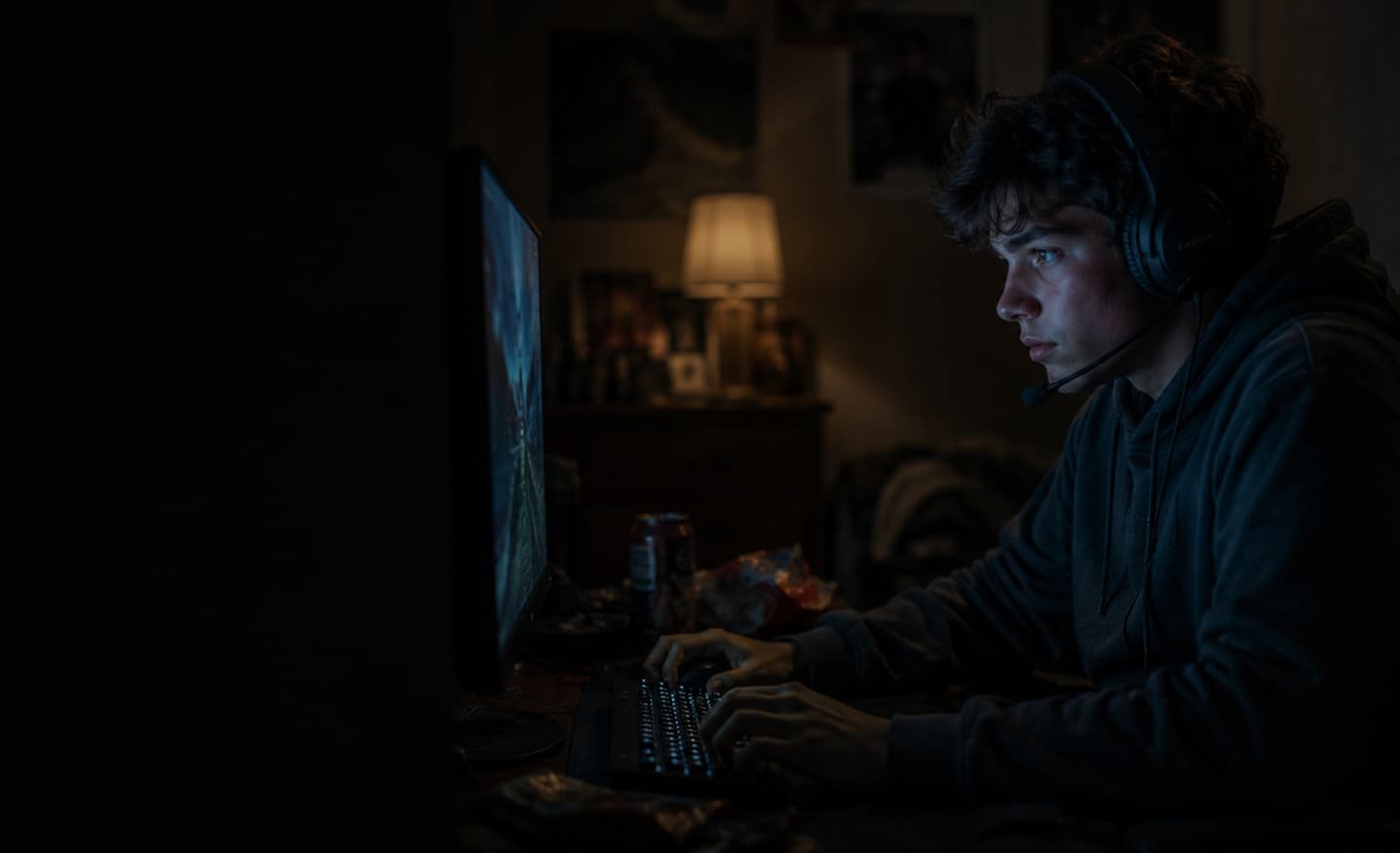
Gaming addiction occurs when a person loses control over gaming, continues despite consequences, and begins prioritizing gaming over school, sleep, relationships, and daily life.
Book a First SessionRecognize the pattern
Does This Sound Familiar?
- Grades keep falling despite repeated promises to cut back.
- Gaming has replaced sports, hobbies, or in-person friendships.
- Every conversation about gaming turns into an argument.
- Your child becomes angry or distressed when asked to stop.
If this feels familiar, you’re not alone.
Gaming Is Often Solving a Problem
Most parents focus on the gaming.
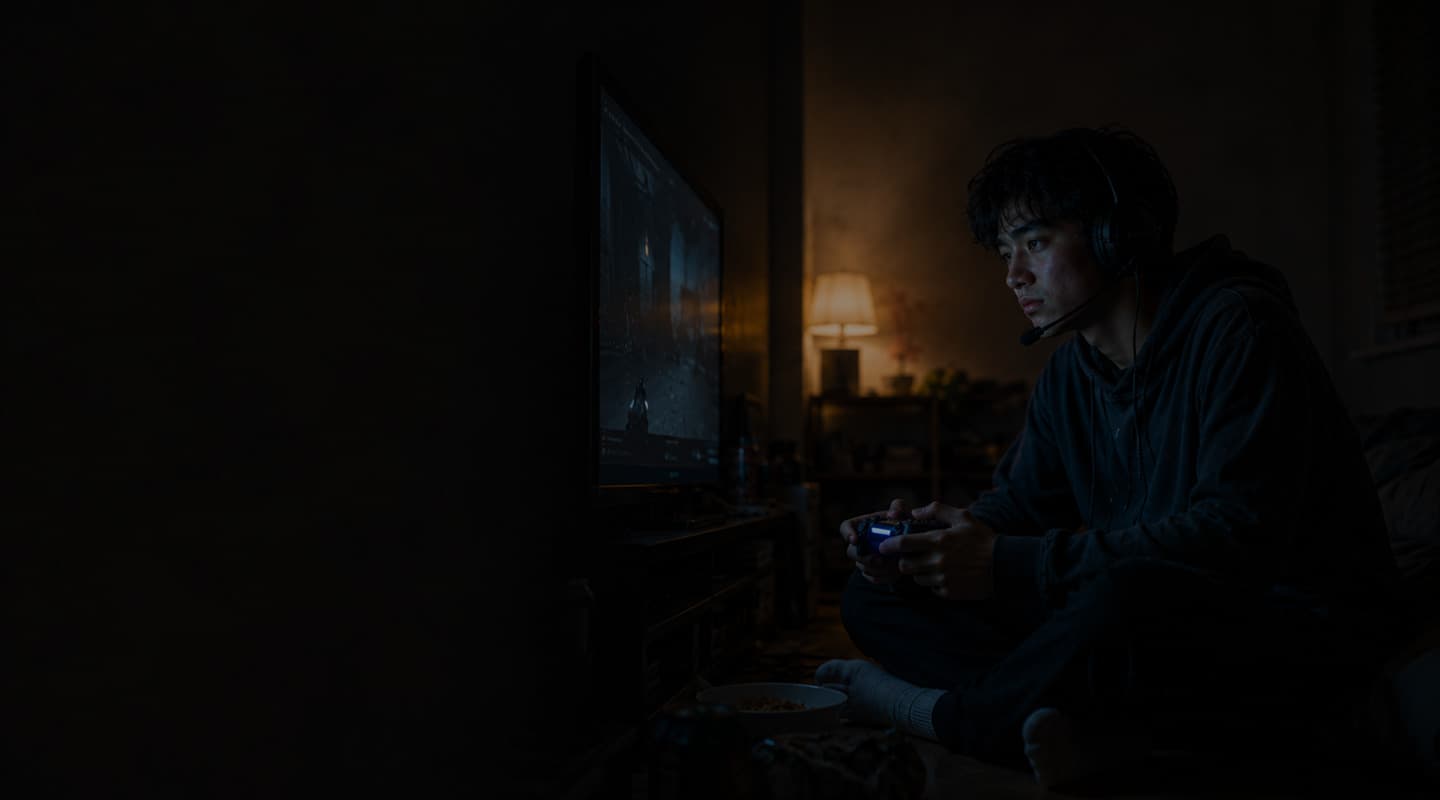
We focus on what the gaming is doing for the child.
For many teenagers, gaming becomes a source of:
That's why simply taking the game away rarely works.

We restore agency
Using the Wondi Agency Recovery Method (WARM™), we help patients:
- Regain control over their behavior
- Rebuild healthy sources of reward
- Improve family relationships
- Develop healthier coping skills
- Create a life that can compete with the game
Inside the program
What the Program
Includes
- Comprehensive psychiatric evaluation
- Weekly treatment sessions
- Parent coaching
- Family support
- Progress tracking every four weeks
- Personalized treatment plan
Frequently asked questions
Is gaming addiction a real addiction?
Yes. Gaming disorder is recognized by the World Health Organization, and the same reward and motivation circuitry involved in substance addiction is engaged by compulsive gaming. It is a treatable clinical condition, not a lack of discipline.
How do I know if my child's gaming is actually a problem?
The amount of time matters less than the impact. When gaming consistently comes at the expense of sleep, school, relationships, and mood, and your child can't cut back despite wanting to, it has moved from a hobby to a clinical concern worth evaluating.
Why can't my child just stop playing?
Modern games are engineered to be maximally rewarding and are often filling a real need, such as connection, achievement, or relief from stress. Stopping removes the reward without addressing the underlying need, which is why willpower alone rarely works.
What if my child doesn't think they have a problem?
This is common and expected. We meet your child without judgment and focus first on what is and isn't working in their life. Motivation to change usually grows once they feel understood rather than controlled.
Why not just take away the games?
Restrictions can reduce use temporarily, but they often escalate conflict and rarely hold once the underlying need goes unmet. Durable recovery comes from building a life that can compete with gaming, not from removing it alone.
Do you treat anxiety, depression, or ADHD too?
Yes. Behavioral addictions frequently co-occur with anxiety, depression, and ADHD. Dr. Kim is a triple board-certified psychiatrist and can diagnose and treat these conditions directly within the program, including medication when clinically appropriate.
How long does recovery take?
Wondi is built around a structured 12-week program, with progress measured every four weeks. Timelines vary by individual, and many families continue with follow-up care as recovery becomes more stable.

The Situation Can Improve
The first step is understanding what's driving the behavior and creating a plan that actually addresses it.
Book a First Session